
A Managed Service Model, Not Just Pounds of Laundry
Processing Is Only One Part of the System
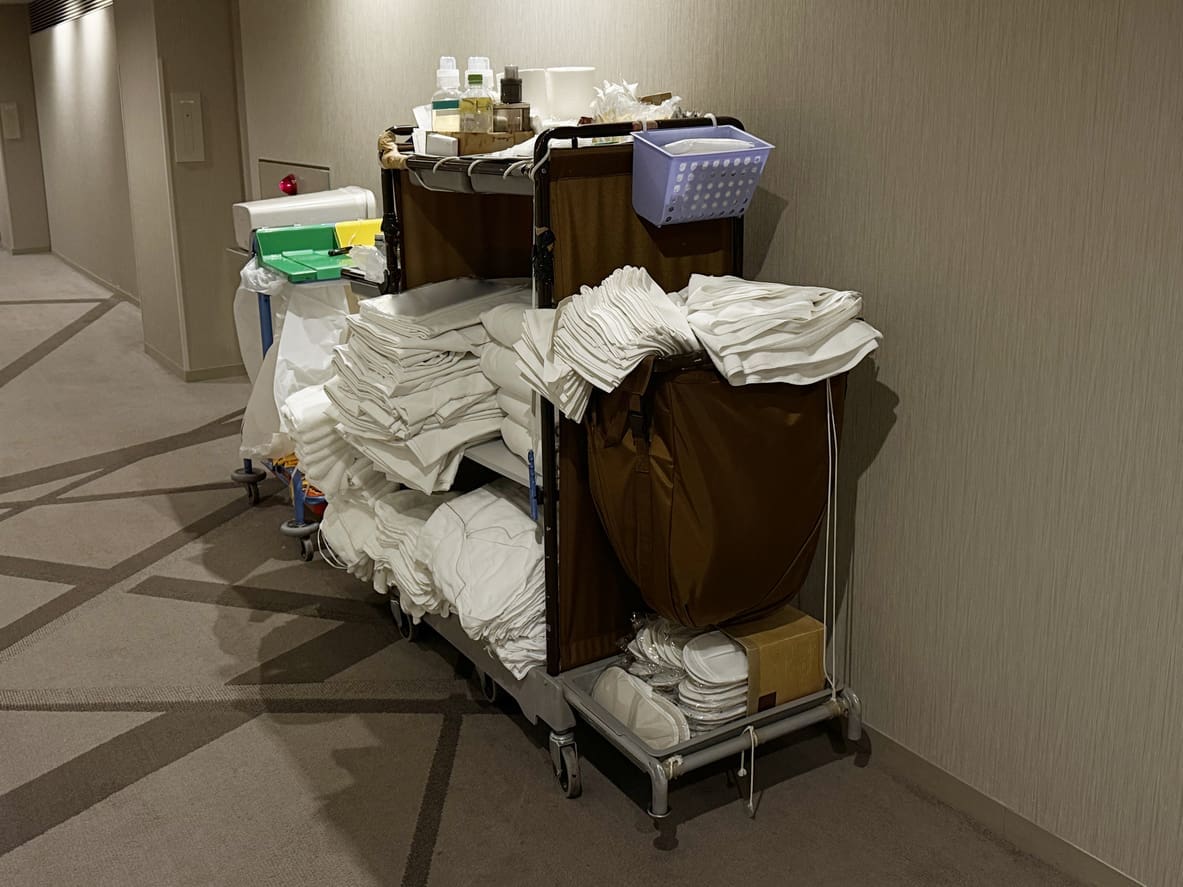
Most linen problems are not caused by a shortage of textiles. They are caused by the gaps between pickup, processing, delivery and what is actually on the shelf when a nurse reaches for it. Marberry coordinates all of it as one program, so your team is not left managing the gaps.
Schedule an Operational Assessment
Transactional Laundry vs. a Managed Program
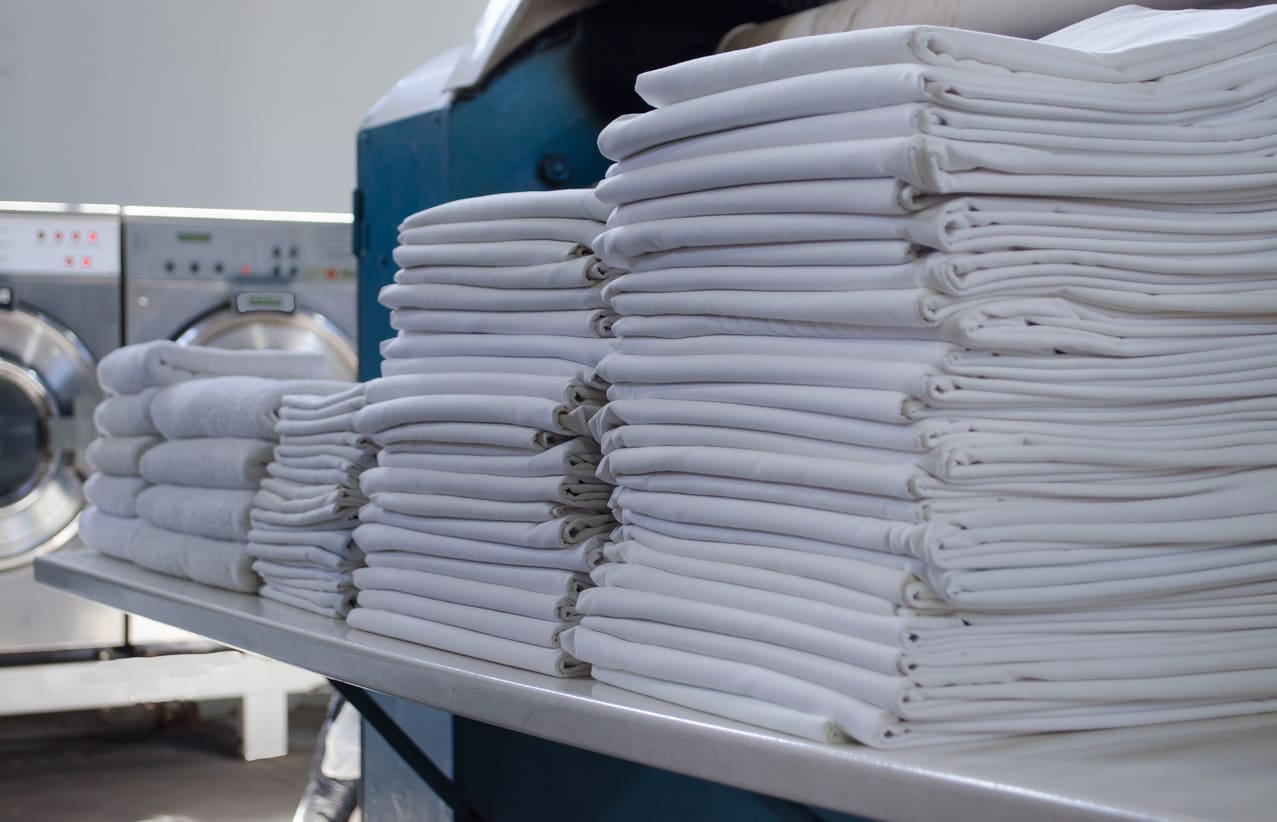
The difference is not how the linen is washed. It is who is watching what happens between deliveries.

Why Shortages Happen
Rarely a lack of textiles. Usually tracking gaps, par levels that were never reviewed against real use, and no single point of contact when something goes wrong.
The Transactional Trap
Bulk bins left on the dock, billing by the pound, and no support when a floor runs out of gowns on a busy shift.
The Managed Alternative
Marberry monitors how each department actually uses linen, adjusts replenishment ahead of demand, and gives your team one accountable contact.
The objective is simple: your clinical staff should not have to think about linen.
How Marberry Keeps Linen Flowing
Four routines, run consistently, that hold availability steady without building unnecessary excess.
Dedicated Batch Processing
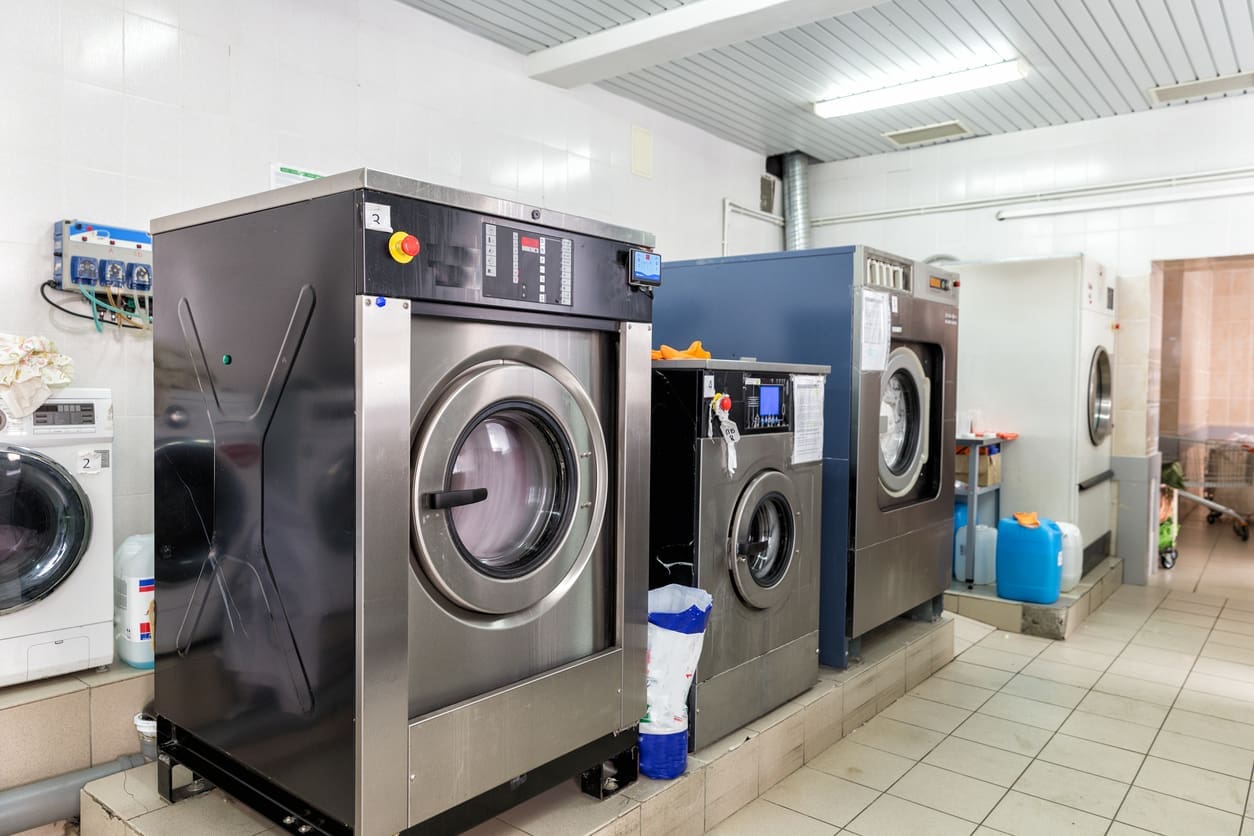
Your linen is processed in its own batch rather than blended with other facilities, which produces accurate account-specific weights and clearer reporting.
Proactive Replenishment
Clean stock is scheduled ahead of expected demand rather than dispatched after a shortage has already been reported.
Usage Reporting
Utilization broken down by department, so materials management and finance can see where linen actually goes.
Run together, these keep availability predictable and remove the replacement costs that quietly accumulate in an unmanaged program.
See How the Managed Model Works
Decades of Disciplined Clinical Logistics and Scale
Serving healthcare laundry customers since 1978. Family-owned, independent, and locally operated.
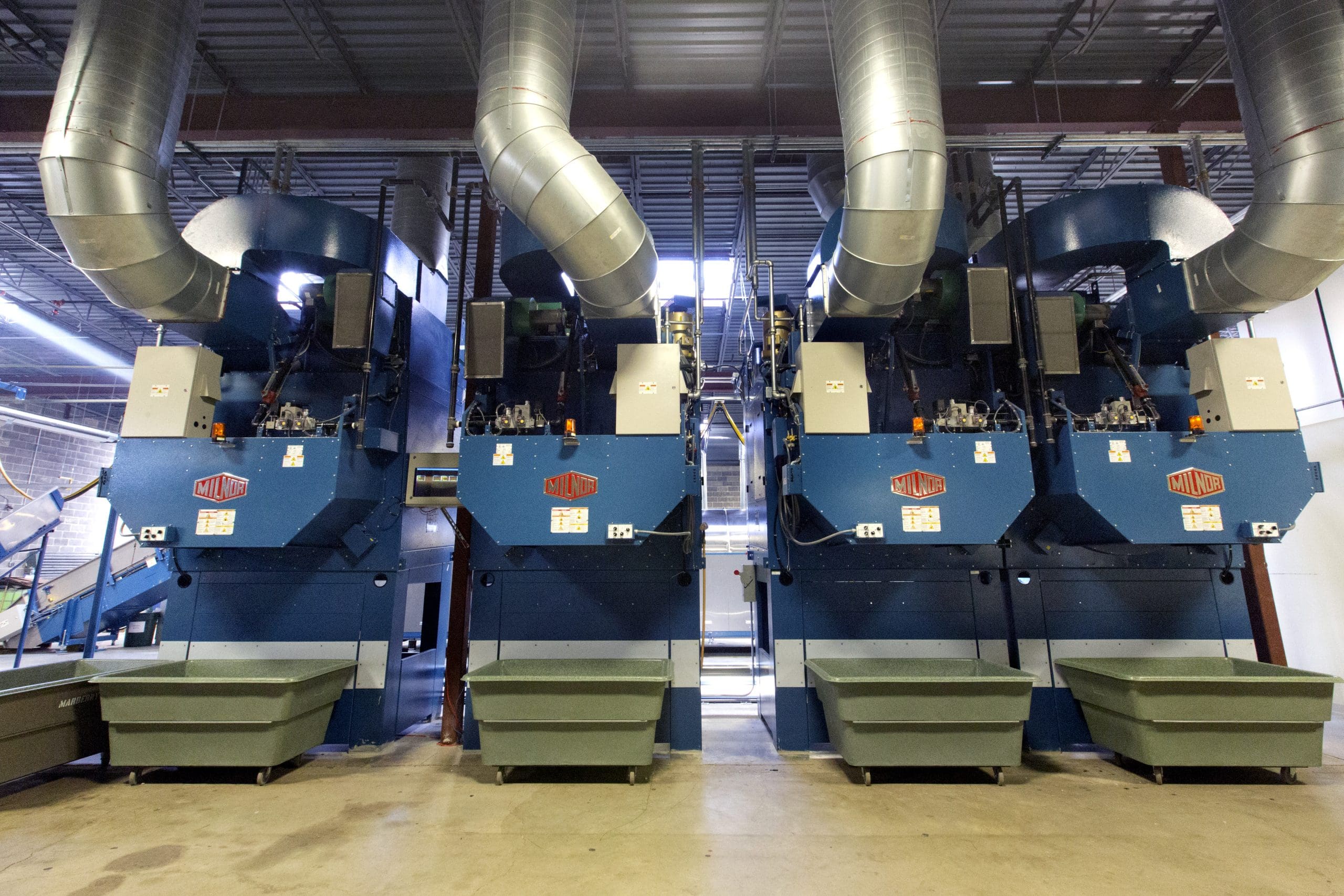
Supported by approximately 200 team members, our independent regional infrastructure allows us to make critical decisions close to the medical communities we serve.
We replace the transactional friction of national conglomerates with transparent partnership terms, ensuring your environmental services directors have direct access to on-site leadership on every shift.
Supported by approximately 200 team members, our independent regional infrastructure allows us to make critical decisions close to the medical communities we serve.
We replace the transactional friction of national conglomerates with transparent partnership terms, ensuring your environmental services directors have direct access to on-site leadership on every shift.
Answers for Materials Management and Supply Chain
Common Questions About the Managed Model
Billing by weight rewards a vendor for delivering more pounds. Managing availability rewards the opposite: the right linen in the right place, with less loss and less idle inventory. That is what moves your total cost.
A named contact at Marberry with the authority to change a route or a par level that day, rather than a ticket queue at a distant head office.
Account-specific reporting on weights, utilization and inventory movement, broken down by department, so you can see patterns rather than a single invoice total.
Yes. Replenishment is adjusted against your facility's own historical patterns ahead of expected peaks, rather than reacting once a floor is short.
On-site supervisors review processing records and sorting parameters every day, and Marberry's ownership works in the same building.
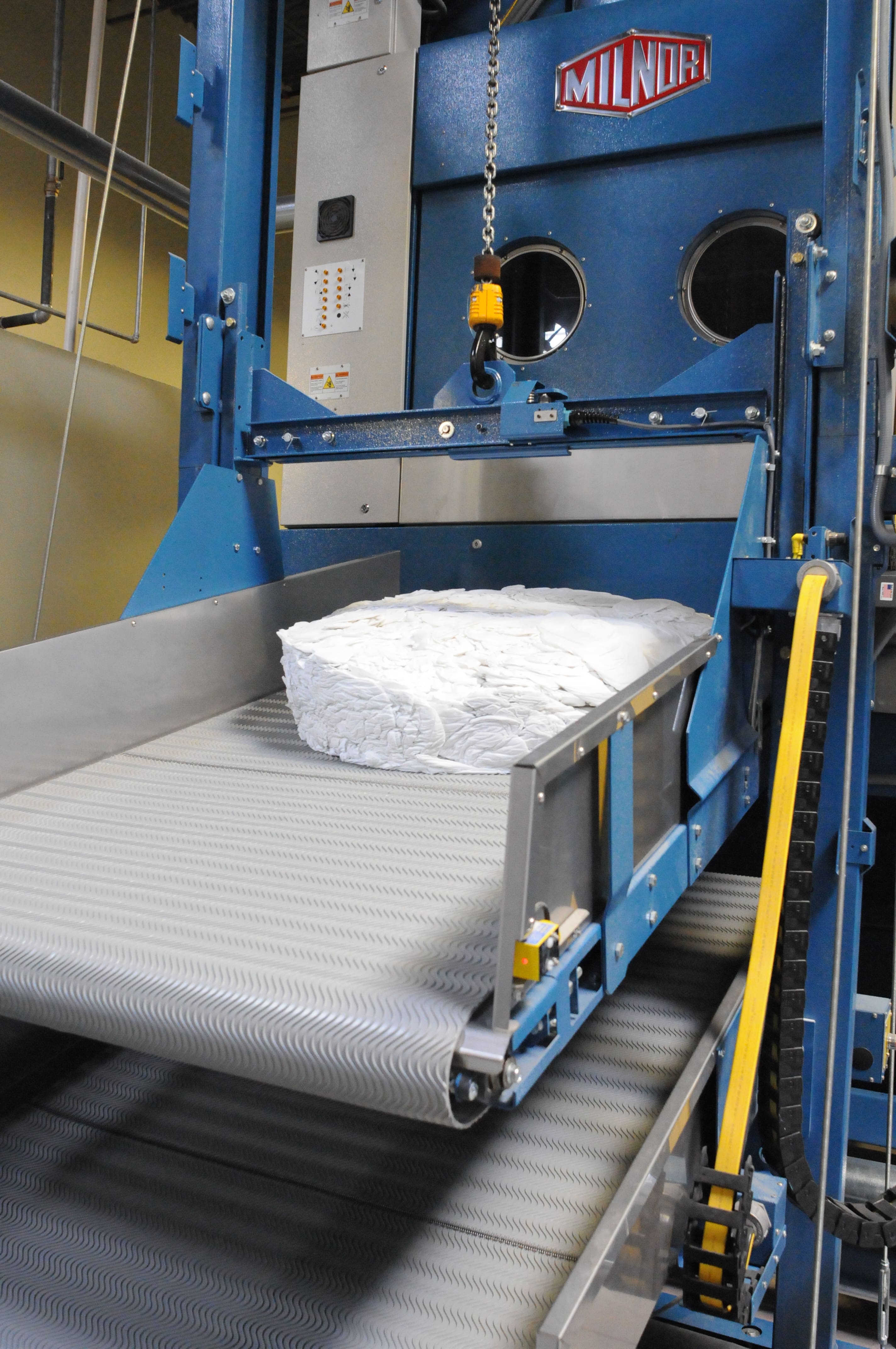
Local Leadership, Directly Accountable
National providers manage Chicago-area accounts from distant headquarters. Marberry's leadership works inside the plant that processes your linen, so route changes and service issues are handled the same day you raise them.
Schedule an Operational Assessment
Schedule an Operational Assessment
Ready to Secure Reliable, Shortage-Free Healthcare Linen Services?
Speak directly with our operational executive team to schedule a route analysis or request a customized commercial proposal for your health system or clinic network.
- Submit Your Parameters: Provide your facility details, location, and estimated daily or weekly linen volume.
- Operational Route Analysis: Our plant executives review your current par distribution, room turnover rates, and route schedules.
- Transparent Proposal: Receive a transparent, budget-aligned commercial proposal designed for fiscal predictability within 48 hours.
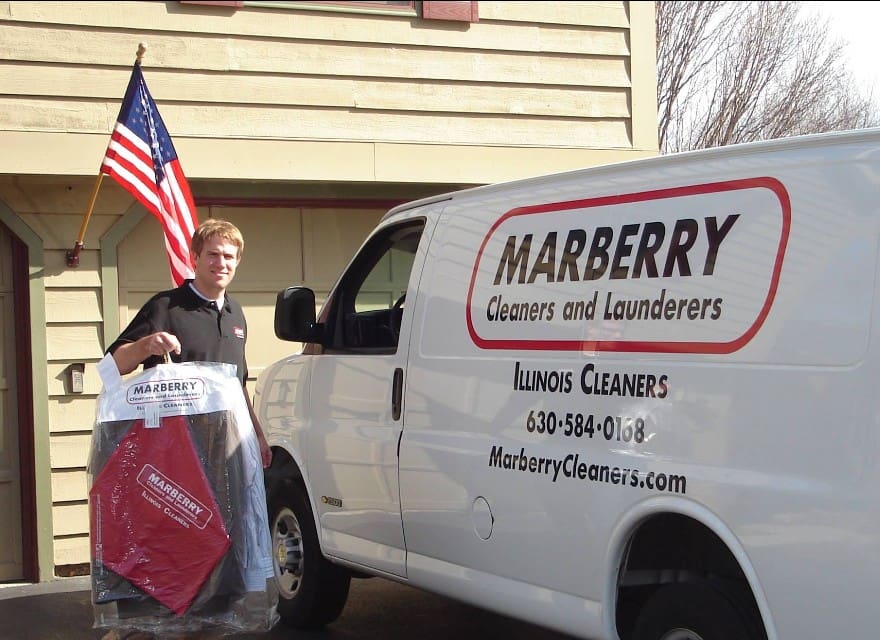
Industrial Healthcare Linen & Hospital Laundry Services
Scalable, hygienically clean textile logistics backed by direct local accountability for Chicago-area health systems.
Move past transactional laundry vendors that cause unmonitored shortages. Marberry combines healthcare-scale processing capacity with responsive local management to keep clinical workflows continuous and textile budgets strictly protected.
Move past transactional laundry vendors that cause unmonitored shortages. Marberry combines healthcare-scale processing capacity with responsive local management to keep clinical workflows continuous and textile budgets strictly protected.
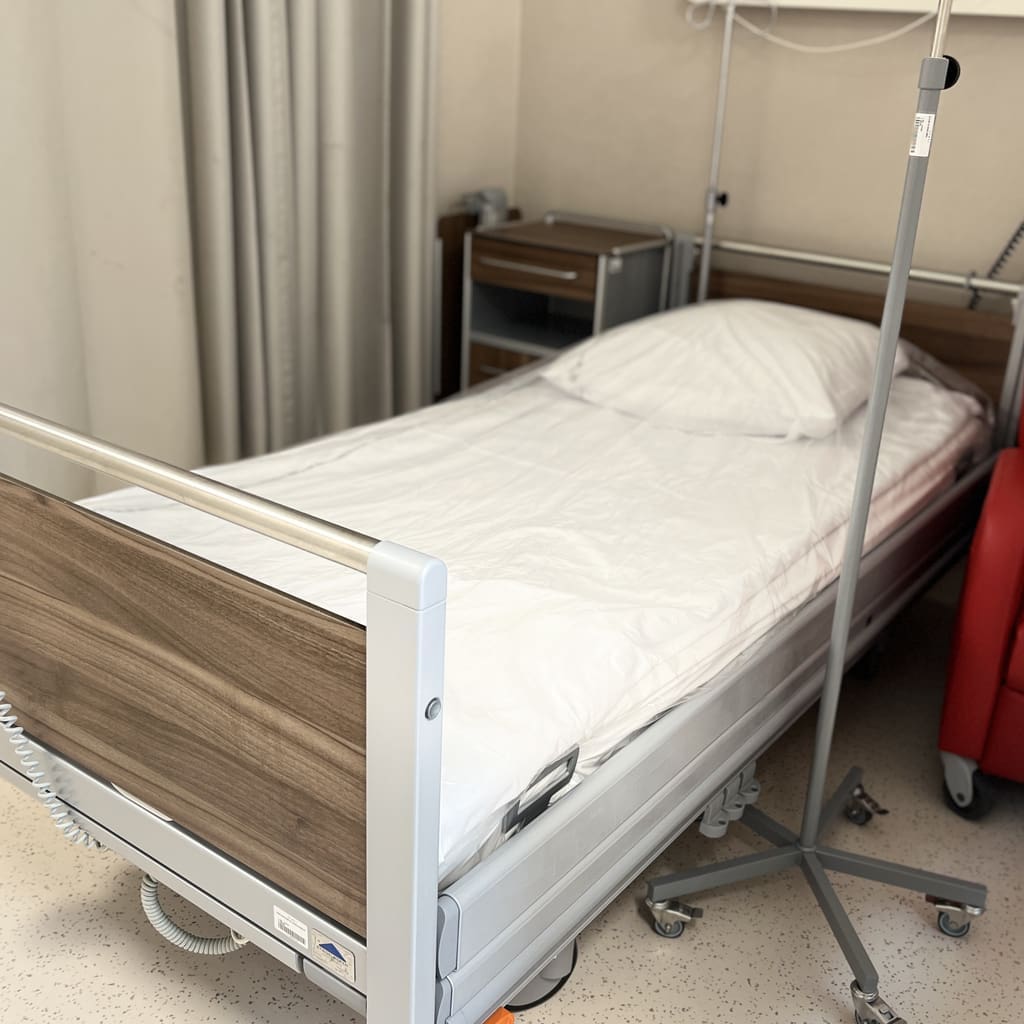
Healthcare Linen Services
Medical textile processing scaled to your volume, clean presentation, quality finishes, low rewash.
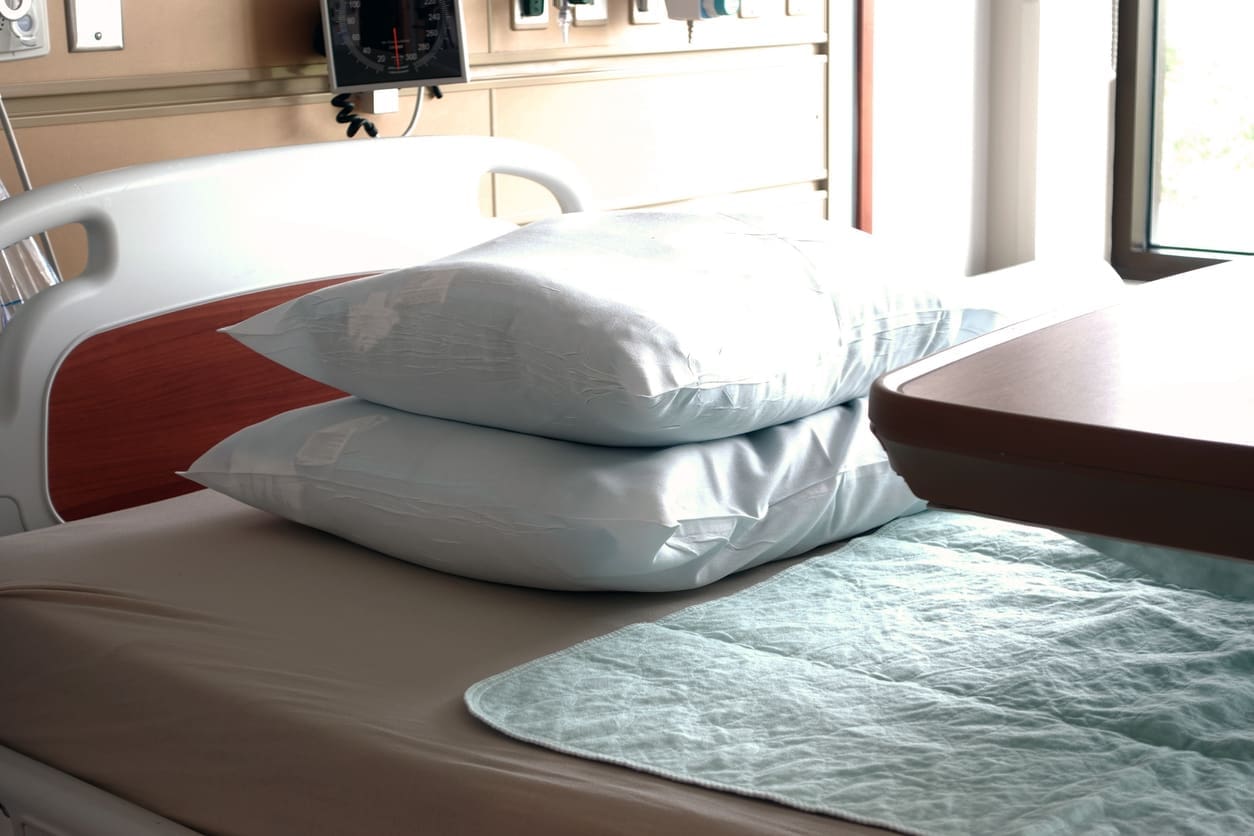
Hospital Linen Service
Patient bedding, bath, and clinical apparel with par-level management and emergency replenishment.
Managed Linen Service
A closed-loop model for stable, predictable linen availability every shift.
Inventory Control & Budget Management
Budget-based procurement with full cost visibility and automated usage reporting.
Quality, Compliance & Certification
Healthcare-focused sanitization with strict clean/soiled separation, always inspection-ready.

Local Ownership & Reliability
Independent, family-owned regional provider with local leadership and direct decision-maker access.
Healthcare Services
Healthcare Linen ServiceHospital Linen
Healthcare Laundry Quality & Compliance
Hospital Linen Inventory Control & Budget Management
Managed Linen Service
Local Medical Laundry Provider
Specialty Services
Locations
220 John Street North Aurora, IL 60542
Copyright © 2026 All Rights Reserved.
Designed by Cleaner Marketing